

Our editors curate highly rated brands that are first assessed by our rigorous ratings system. Buying through our links may earn us a commission—supporting the work we do. Learn more.
Hemp’s use as a fibre has been inhibited over the last century due to heavy regulations on the plant. Now, though, its production is growing swiftly, paving the way for its wider adoption as a more sustainable alternative to energy-intensive and non-biodegradable materials. Read on to find out how the fibre is produced, its benefits, and the brands making more ethical clothes with it.
Hemp: a versatile material used throughout history
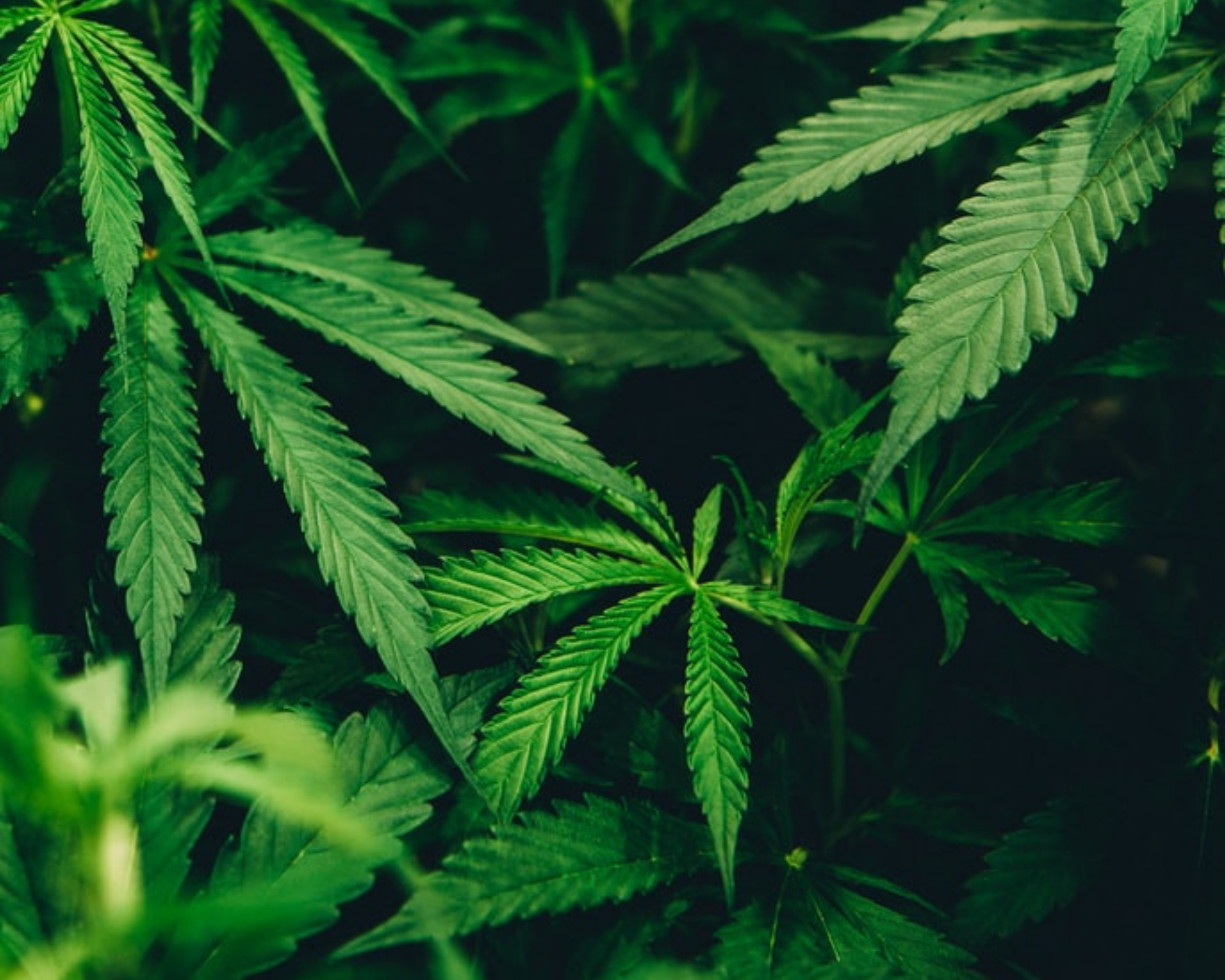
Hemp is the name of the plant that is also often called cannabis. It has been central to many industries for thousands of years, such as construction, papermaking, food, and of course, textiles. The plant is also the basis for the drug cannabis, but hemp as a fibre contains very low levels of Tetrahydrocannabinol (or THC), which is the psychoactive component of the plant.
In this material guide, we’ll explain what hemp is, whether it’s sustainable, and share some of the brands championing its use.
What is hemp?
Hemp fibre is derived from the stems of the hemp (or cannabis) plant, which has a long history of cultivation spanning thousands of years and almost every continent, with a variety of uses including clothing, ropes, paper, and sails. There’s even evidence to suggest the word “canvas” is derived from “cannabis”.
Hemp’s use in textiles was once widespread, but slowly came to a halt from the 1800s onwards thanks to the availability of other fibres such as cotton—and later synthetics like nylon—and the regulation of the plant due to its classification as a drug, with widespread bans ignoring the plant’s many other uses and halting its cultivation.
Hemp is a type of bast fibre, which means it’s derived from the stems of a plant, and is similar to likes of flax, ramie, and jute. The fibre produced from pure hemp is similar to linen in texture and can be woven to make a variety of fabrics, including jersey, denim, hessian, and canvas. It can also be blended with other plant-based fibres to create materials with desirable qualities, for instance, combining the durability of hemp and the softness of cotton or bamboo.
How hemp goes from plant to fabric
Hemp is a fast-growing plant so it’s ready to be harvested just five to eight months after its seeds are sown. The hemp fibres are separated from the plant stem through a series of processes that strip the fibres from the stalk. Then, the collected fibres are cleaned and combed to prepare them for spinning, which is when they’re transformed into a continuous yarn that can be woven into a fabric.
The various stages of the process can be done organically through a mechanical process that requires no chemicals. However, many companies now produce hemp fabric chemically, in a process that is much more intensive on the environment, but faster and cheaper to create. Often you can tell that a hemp fabric has gone through this intensive process if it is labelled as “hemp viscose”, which involves the same harmful processing with toxic chemicals as regular viscose.
But how does hemp match up to other materials for its sustainability? After all, we already know that just because a material is plant-derived, that doesn’t necessarily mean it’s good for the environment. Let’s explore how hemp performs.
Is hemp a more sustainable option?
Hemp is a fast and densely growing plant which crowds out competing flora, meaning harsh chemical herbicides aren’t necessary in its cultivation. This swift growth also creates a canopy over the soil just a few weeks after seeds are sown, which, in combination with its deep root system, helps to reduce water loss and protect soil from erosion.
Hemp isn’t susceptible to many pests, so conventional chemical pesticides aren’t needed either. However, it’s important to be aware that hemp is not always organic, and many farmers still use environmentally damaging fertilisers. When going for hemp clothes, make sure it is labelled (and ideally certified) as organic, and thoroughly study the brand you’re considering buying from.
The plant also encourages biodiversity, particularly when grown organically and as a rotation crop, as it flowers and produces lots of pollen during months when other crops don’t, which attracts pollinators, while its dense leafy jungle provides shelter for animals, insects, and birds.
Not only that, but hemp is also great for carbon storage—the European Commission suggests that just one hectare sequesters 9 to 15 tonnes of CO2, which it says is a similar amount of carbon stored by a young forest.
From an environmental perspective, the benefits of hemp are pretty clear. But how does it compare once hemp is processed into a fabric?
Textile Exchange cites hemp transportation for processing as a sustainability concern—since it is bulky, the transportation is often energy-intensive. The organisation suggests implementing shorter, localised supply chains to minimise this, but acknowledges that since developments in machinery for hemp cultivation and processing were prevented by the regulation of cannabis plant-growing in the 1900s, it’s often necessary to travel longer distances to find the next stage in the supply chain.
And as we mentioned earlier, industrial fertilisers are also sometimes used in cultivation, and they can harm the surrounding environment and negatively impact biodiversity if they contain harmful chemicals. The impact of hemp doesn’t just stop once it has been woven, either. After the fabric has been created, it may be treated with a special finish, embellished, or dyed, which may also impact the environment and workers, depending on the technique used.
So, what’s the verdict?
The good news is that hemp is generally a more sustainable, lower-impact crop that can be converted into fabric responsibly. It’s important to make sure, however, that manufacturers are following best practices throughout the value chain—from seed to fabric to garment—not just in the raw material processing. Textile Exchange also notes that there’s also a significant barrier to uptake as hemp has long been associated with cannabis as a drug, but organisations are working to improve the situation, including the Alliance for European Flax-Linen and Hemp, and the European Commission. There are signs things are turning around, too, with a 103% increase in hemp fibre production between 2015 and 2024 in the EU.
Looking for brands that champion hemp? Here are five “Good” or “Great”-rated ones making clothes, shoes and accessories from hemp: